
 E-Paper



Temples need to be freed of State control
The purpose of a secular State is not to administer faith but to restrain itself before it by enforcing law, punishing fraud & adjudicating disputes

 Prefer HTon Google


Before India called itself secular, it had already learnt how to keep the sacred and the political apart. For nearly 25 years after Independence, the Constitution did not contain the word secular. Articles 25 and 26 guaranteed religious freedom and the right of every denomination to manage its own affairs. When the 42nd Amendment inserted the word during Emergency, it named an existing constitutional philosophy, not a licence for governments to become custodians of religious institutions. Somewhere along the way, that distinction blurred. Regulation became administration. The State ceased merely to uphold the law and began to act as manager.
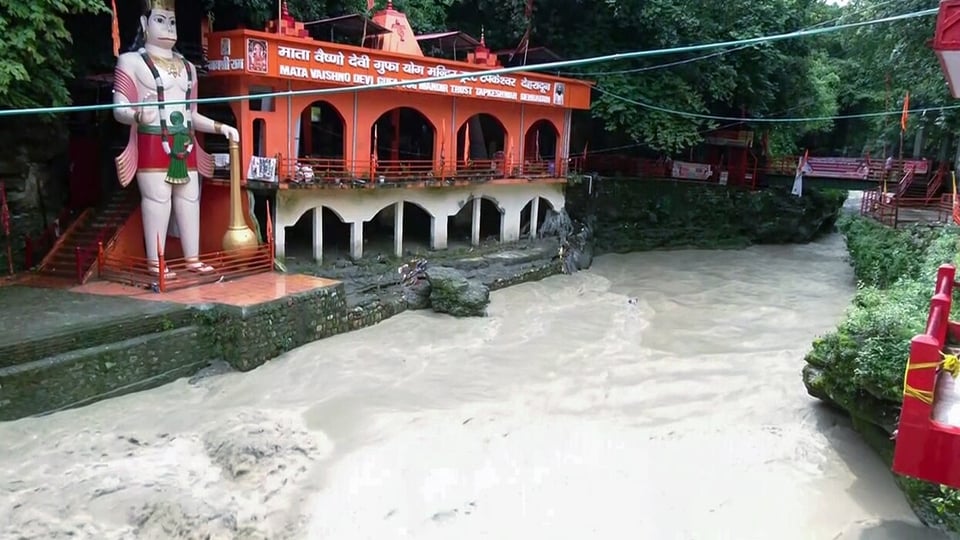
A thousand years before India debated secularism, Tamil temple walls already recorded a different constitutional imagination. Chola inscriptions documented elections to temple committees, guild grants, irrigation accounts, endowments for schools, and penalties for misusing public funds.
The temple was never simply a place of worship. It was a civic institution — a treasury, granary, school, and the moral centre of its settlement. Kings endowed and protected them, but did not manage their daily affairs. The sacred and the political met without merging.
Also Read: Ram temple trust gets 5,200 applications for CEO’s job, defers selection by a month
That distinction is a modern casualty. The first attempt to place temples under bureaucratic administration came from the East India Company. Regulation VII of 1817 brought major temple endowments under government supervision to prevent apparent mismanagement. Independent India dismantled colonial rule but kept much of this architecture. Across several states today, temples remain governed under Hindu Religious and Charitable Endowments laws that permit significant executive involvement in their administration — an entanglement no statute imposes on mosques or churches.
Other religious institutions remain subject to law, taxation and criminal investigation, but that is not routine executive management. The Supreme Court recognised that distinction early, in the landmark Shirur Mutt judgment. The State may regulate secular administration of religious property, but administration itself rests with the denomination. Regulation safeguards legality but it does not authorise the executive to permanently displace the community. A constitutional State is defined not only by the powers it exercises but also by the powers it consciously declines to exercise. Constitutional restraint is no less an expression of sovereignty than constitutional authority.
Every allegation of financial irregularity revives calls for tighter government control. Donation discrepancies at the Ram Janmabhoomi Trust in Ayodhya point to failures of governance — opaque accounting, convoluted responsibilities and audit indiscipline. This is not an endorsement of an argument that the State must become the permanent manager of religious institutions. Corruption calls for demanding stronger accountability, not deeper bureaucracy. No institution becomes honest merely because an official sits within its management. Integrity comes from independent audits, digital accounting, disclosed finances and swift punishment for fraud — safeguards that strengthen institutions without requiring the State to administer them.
Nor is the answer to romanticise the past. Historical temple assemblies often reflected social hierarchies that have no place in a constitutional democracy. What deserves revival is their architecture: community stewardship, fixed tenures, rotation, and public accountability. Temple management should be elected by the devotee community through transparent, competence-based standards in finance, law and administration, open to all irrespective of caste, gender or lineage. Ritual authority should remain with trained priests irrespective of caste and community barriers. Financial and administrative authority should rest with accountable bodies answerable to devotees, the law and public scrutiny — not a government secretariat.
The purpose of a secular State is not to administer faith but to restrain itself before it by enforcing law, punishing fraud and adjudicating disputes. It is not to manage prayer or supervise the everyday life of religious institutions. Equal respect for all faiths cannot coexist with unequal executive involvement in their internal affairs. If genuine equidistance is not the constitutional practice, the honest course is to acknowledge that reality than invoke the language of secularism selectively.
India did not inherit temples from the State. It inherited the colonial State’s claim over temples. What the East India Company introduced as an instrument of imperial administration survived the Empire itself and found an afterlife in independent India. That is the distinction we must recover. Let the State regulate where the Constitution permits. Let communities govern where the Constitution promises. Civilisations endure because they know where power must stop.
Shubhrastha teaches electoral sense-making at the School of Global Leadership, Gurugram. The views expressed are personal
(This piece is part of this fortnight's debate, titled “Who Should Govern Temples?” The opposing side of the debate can be accessed here)


