
 E-Paper



Israel vote theft row explained: Netanyahu's claims, probe and election results
With Netanyahu's bloc projected to win 53 seats, opposition bloc on 48 and Arab-led parties on 19, no camp has secured the 61 seats needed for a majority.

 Prefer HTon Google


Israel's election has triggered a political storm after Prime Minister Benjamin Netanyahu alleged that Arab-led parties stole the vote through foreign funding and voter bribery, claims that have not been substantiated by publicly presented evidence. The controversy intensified after Central Elections Committee chief Justice Noam Sohlberg asked Israel's internal security agency, Shin Bet, to investigate suspicions of foreign interference.
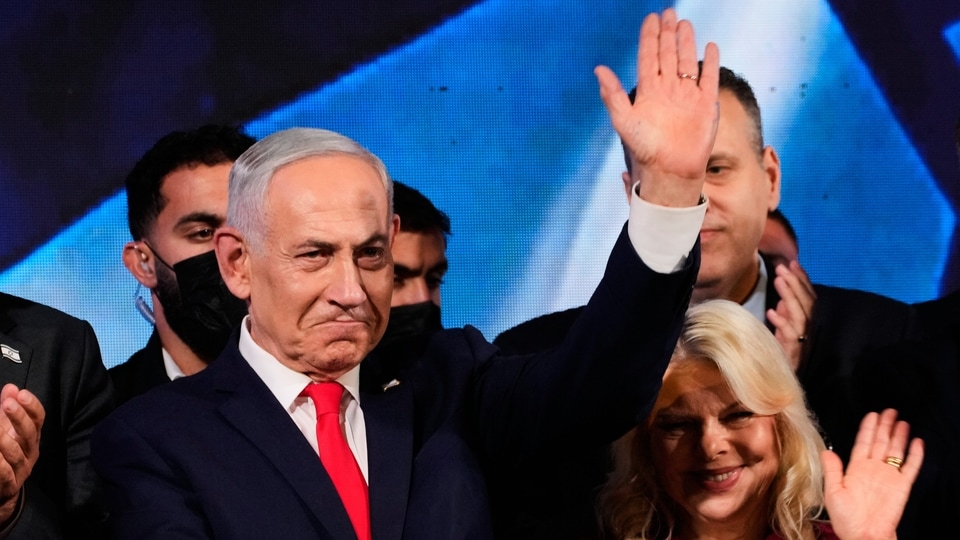
With Netanyahu's bloc projected to win 53 seats, opposition parties led by Gadi Eisenkot on 48 and Arab-led parties on 19, no camp has secured the 61 seats needed for a majority in the 120-member Knesset. The allegations have further complicated efforts to form a government, with the final election results expected by November 4.
Track Live Updates on Israel Election Results
What is the ‘vote theft’ row?
Deep Dive

Netanyahu's Likud party has accused Arab-led parties of election fraud, alleging bribery, threats, violence, forged documents and multiple voting. The party has demanded investigations by the police, Shin Bet and the Central Elections Committee. The allegations have not been established, and the authorities have not publicly presented evidence of systematic election fraud.
How did the controversy escalate?
The row intensified after the election committee's chief, Justice Noam Sohlberg, asked Shin Bet chief David Zini to investigate suspicions of improper foreign influence through funding allegedly provided by entities acting against Israeli interests. Sohlberg said he could not verify the substance of the allegations but considered a thorough investigation necessary.
Why has Netanyahu called it ‘Ra'amgate’?
Netanyahu described the allegations as an “earthquake” and claimed the election had been stolen. He accused foreign entities of attempting to influence the outcome in favour of Arab-led parties Ra'am and the Joint List.
He also alleged that the suspected interference was intended to weaken right-wing rule and influence Israel's security policies. These claims remain unproven.
What is the role of Qatar and Turkiye?
Hebrew-language media reports have said Likud suspects Qatar and Turkiye may have been sources of funds allegedly sent to organisations involved in mobilising Arab voters. However, the election committee chief's letter did not identify any country allegedly involved or provide details establishing foreign interference.
What action have the police taken?
Israel Police have pledged to investigate complaints related to election integrity. Authorities said three suspects were arrested in southern Israel on election day on suspicion of voter bribery, followed by four more men arrested for questioning in connection with the investigation. These arrests do not establish that the alleged wider election fraud took place.
How have Arab-led parties responded?
Arab-led parties have rejected the allegations, accusing Likud of attempting to delegitimise Arab voters and their electoral gains. Joint List leader Ahmad Tibi dismissed the fraud claims, while other Arab political leaders described the accusations as an attempt to undermine the democratic process and marginalise Palestinian citizens of Israel.
Why are Arab parties crucial to government formation?
The two main Arab-led formations, Ra'am and the Joint List, are projected to win a combined 19 seats, an unprecedented result according to preliminary projections. Their support could help opposition leader Gadi Eisenkot's bloc reach the 61-seat majority required to form a government, even if the Arab parties remain outside the coalition.
Also read | The options before Israel: A Netanyahu-Eisenkot deal, a minority government or no new government
Why has Netanyahu urged parties not to cooperate with Arab groups?
Netanyahu has called on Zionist parties to reject cooperation with Ra'am and the Joint List, arguing that such an arrangement would threaten Israel's security and political direction. His opponents have accused him of using the allegations to weaken the possibility of an alternative government. National security minister Itamar Ben Gvir has gone further, calling for the arrest of Arab party leaders if there is a legal basis to do so.
What has Gadi Eisenkot said?
Eisenkot has said that election-integrity concerns must be investigated thoroughly, but warned against political actors exploiting the probe to influence the timing of the next Knesset's inauguration.
His bloc and the Arab-led parties together have enough projected seats to potentially support an alternative government, although disagreements over whether Arab parties should enter a coalition remain a major obstacle.
What happens next?
Israel's Central Elections Committee is expected to publish the final results by November 4, after which President Isaac Herzog will consult political factions and ask a candidate with a viable path to a majority to form a government.
If coalition negotiations fail, Israel could face another election.
Meanwhile, the Shin Bet probe into suspected foreign interference is expected to report its findings within a week of the election committee chief's request.


