
 E-Paper



Before the doctor, there’s Google, WhatsApp, and YouTube: Why Indians are looking elsewhere for health answers

 Prefer HTon Google



From WhatsApp university to YouTube clinics, here’s who is really guiding India's health choices?
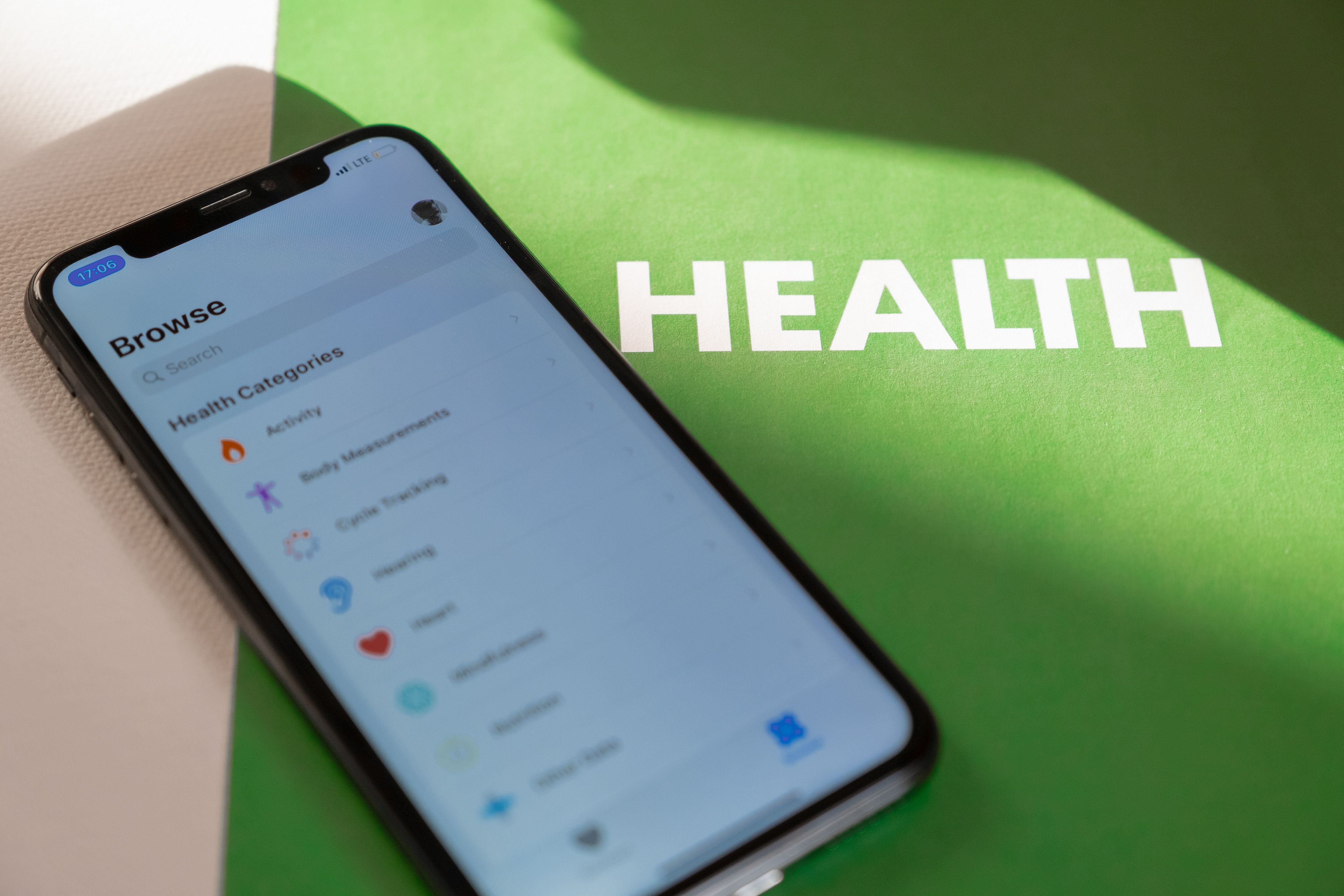
India has never had access to as much health information as it does today. A person experiencing an unfamiliar symptom can search Google, watch a doctor on YouTube, ask on a family WhatsApp group, or increasingly turn to an AI platform, often before deciding whether a medical consultation is necessary. Yet greater access to information has not necessarily created greater clarity. It has increasingly placed the responsibility of deciding what is credible, relevant and appropriate on the patient. Smriti Tandon, co-founder of Online Chikitsa Mitra and 120by80, Flagship Healthcare Platforms by Salubrious Technologies, revealed who is really guiding India’s health choices.
Also read | Oncoplastic surgeon shares why breast cancer is rising among younger women and the early signs we often overlook
Why do people look everywhere before reaching a doctor?
Smriti Tandon highlighted that it is easy to describe WhatsApp remedies, YouTube searches, or advice from family members simply as a misinformation problem, but that overlooks how people actually navigate healthcare. Most people do not visit a doctor the moment they feel unwell. They begin with what is accessible, familiar and convenient. In rural communities, this may be a neighbourhood medical store that the family has known for generations. In cities, it may be Google, a familiar doctor on YouTube or increasingly an AI interface.

According to Smriti Tandon, access and affordability matter, but so do time, comfort and the feeling of being heard. Overcrowded OPDs can feel rushed or intimidating, particularly when patients have waited a long time and have several concerns to discuss. “Digital channels, in comparison, offer immediacy and a sense of personalisation. The danger arises when that feeling of personalisation is mistaken for clinically appropriate advice,” said Smriti Tandon.
This does not necessarily mean people distrust doctors; it suggests there is often a gap between the moment someone becomes concerned about their health and the point at which qualified medical advice becomes conveniently available.
Trust is not the same as clinical responsibility
“A family member may be deeply trusted, a medical store owner may have known a household for twenty years, and a YouTube doctor may have millions of followers, but trust and clinical responsibility are different things,” Smriti told HT Lifestyle.
The same fever, headache, persistent cough or chest discomfort can have very different implications depending on age, medical history, medication, duration and associated symptoms. General information can improve awareness, but determining what it means for an individual requires clinical context.
Note to readers: This article is for informational purposes only and not a substitute for professional medical advice. Always seek the advice of your doctor with any questions about a medical condition.

Catch your daily dose of Fashion, Taylor Swift, Health, Festivals, Travel, Relationship, Recipe and all the other Latest Lifestyle News on Hindustan Times Website and APPs.


