
 E-Paper



How to ‘fibremaxx’ this Navratri: Nutritionist shares simple hacks to add more fibre to your festive meals for balanced feasting

 Prefer HTon Google


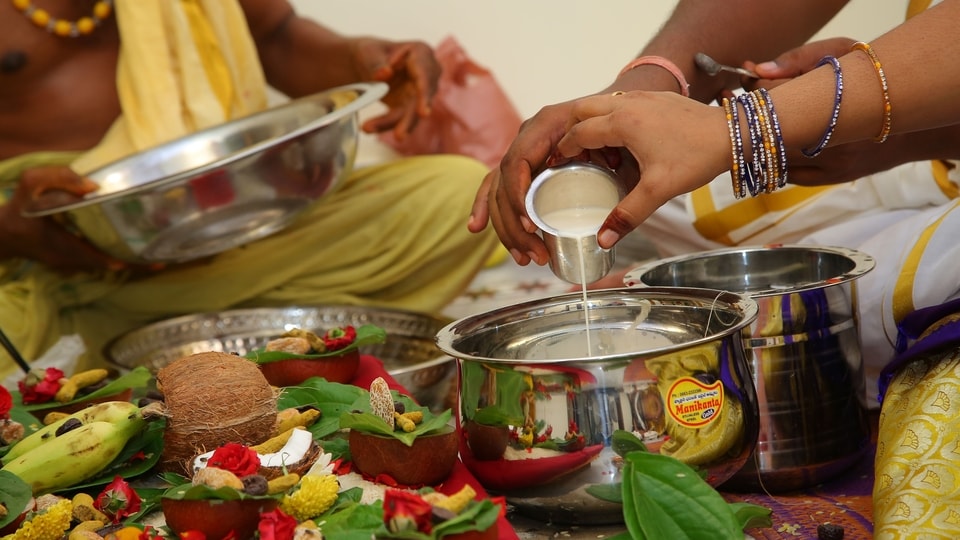
Navratri is a time for festive indulgences that can leave your gut feeling heavy and uncomfortable – adding more fibre contributes to a more balanced approach.
Navratri is a time of devotion, vibrant celebrations and festive indulgence. Whether you are observing a fast, savouring traditional delicacies or dancing the night away at garba celebrations, food is an integral part of the festivities. However, changes in meal timings and daily routines can lead to frequent snacking, increased consumption of fried foods and sweets, and a feeling of heaviness or discomfort after eating.
According to Roshni Sanghvi, holistic nutritionist and functional health expert at Clinic Living Plus, one simple nutritional strategy that can help during the festive season is to increase your fibre intake.
In an interview with HT Lifestyle, she points out that fibre is often associated solely with relieving constipation, when its benefits extend far beyond digestive health. Adequate fibre intake is linked to better metabolic health, which can support fat burning at rest, improved hormonal health and a reduced risk of several lifestyle-related and chronic diseases.
“I suggest my clients count fibre even before protein for this very reason. Especially when it comes to festivities in India, we live in a country that celebrates food. Food is central to all festivals, and it’s very easy to overeat. One way fibre can help is to ‘pre-load’ your meals. Think of this simple exercise of starting your meal with fibre first,” explains Roshni.
Start with fibre before your festive meals
One simple strategy is to include fibre-rich foods at the beginning of a meal. Starting with a salad, a vegetable-based soup or a whole fruit can help promote satiety and support a more balanced eating pattern.
Roshni highlights, “During Navratri, this approach can be adopted to suit your fasting practices and dietary preferences. For instance, you could begin your meal with a fruit, include cucumber with your fasting thali, or add permitted vegetables to your preparations. The idea is not to restrict yourself from enjoying festive foods, but to make your meals more nutritionally balanced.”
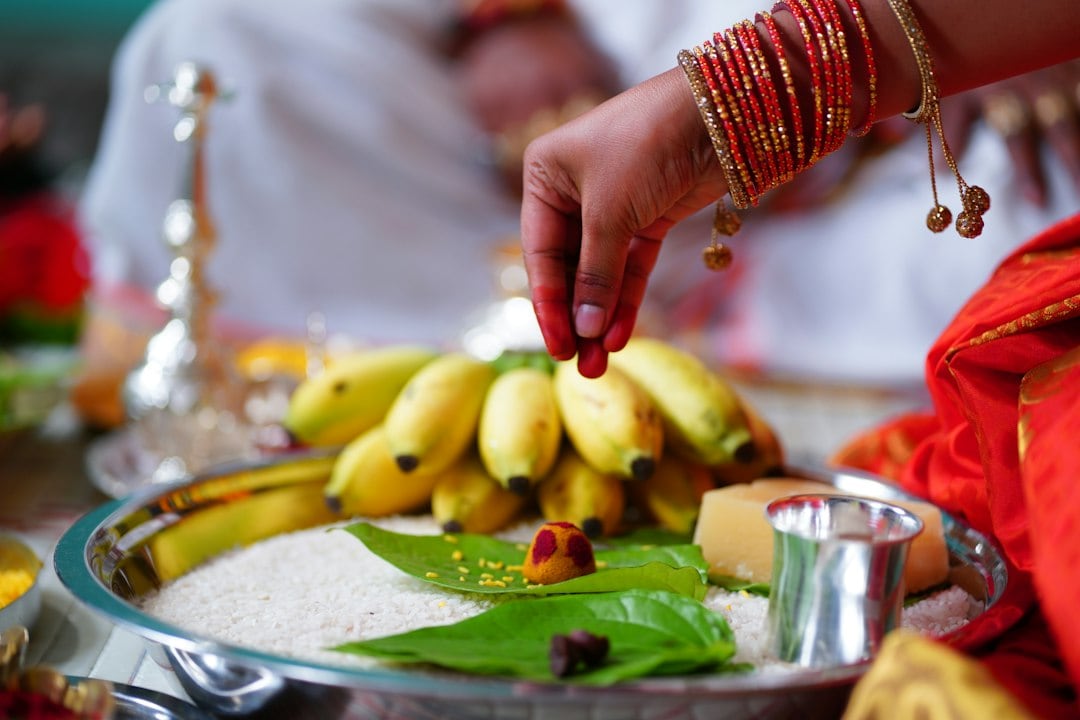
Make mindful whaps without compromising on taste
Traditional Navratri foods can also be adapted to include more fibre. According to the nutritionist, “Instead of relying exclusively on refined or starchy ingredients, consider including buckwheat (kuttu), amaranth (rajgira) or water chestnut (singhara) flour where appropriate. These ingredients can add variety to your festive meals, although their fibre content varies.”
“You can also prepare roasted makhana with nuts and seeds for a convenient snack, or pair your fasting meals with fibre-rich fruits and permitted vegetables. When preparing sweets, dates, figs and nuts can provide natural sweetness and additional nutrients,” she adds.
You can also swap kaju katli for anjeer barfi made with figs and dates. Give your besan ladoos a nutritional boost by adding oats or flaxseeds. Instead of deep-frying chaklis made with rice flour, try baking them with jowar or ragi flour for a more wholesome festive treat.
Roshni notes, “I like making chivda with roasted makhana, peanuts and seeds instead of only poha. I batch-prepare these and keep them on the table so everyone enjoys them throughout the day.” Additionally, you can swap sugary chikkis for ones made with jaggery, sesame and mixed seeds.
“However, remember that these ingredients still contribute calories and natural sugars, so portion sizes matter,” emphasises the nutritionist.
Don’t overlook pulses and vegetables
For those not fasting, pulses, beans, lentils and vegetables are excellent sources of dietary fibre. Roshni explains, “Pulses are the king when it comes to being fibre-rich. They are denser in fibre than vegetables and fruits. I like making sure that sundals, sprout salads, and dishes like kosumbari are always served with meals. Include dishes such as sprouts, chana chaat, dal and vegetable preparations in your regular meals. These foods provide fibre alongside other valuable nutrients, including plant-based protein.”
If you are not fasting, she recommends choosing ingredients according to your personal fasting practices and ensuring your meals remain balanced and satisfying.
Enjoy Navratri without an all-or-nothing approach
Festivals are meant to be enjoyed, not approached with guilt or rigid food rules. Fibre is not a magic solution that cancels out festive indulgences, but consistently including fibre-rich foods can support digestive and metabolic health.
“This Navratri, focus on adding more nourishing foods to your plate, staying hydrated and eating mindfully. You don’t have to skip the sweets, just fill up on fibre first, and enjoy every bite,” concludes Roshni.
Note to readers: This article is for informational purposes only and not a substitute for professional medical advice. Always seek the advice of your doctor with any questions about a medical condition.
Roshni Sanghviis an award-winning holistic nutritionist, functional health expert and former clinical psychologist at Clinic Living Plus. She specialises in plant-based nutrition and lifestyle modifications to support the management of chronic and lifestyle-related diseases, offering personalised nutrition plans, wellness coaching and health workshops.


Catch your daily dose of Fashion, Taylor Swift, Health, Festivals, Travel, Relationship, Recipe and all the other Latest Lifestyle News on Hindustan Times Website and APPs.


