
 E-Paper



Think charcoal toothpaste and coconut oil pulling can safely whiten teeth? Medanta dental surgeon debunks 10 dental myths you probably believe

 Prefer HTon Google



In HT Health Talk this week, Dr Ankur Rustagi explains what actually whitens teeth, if charcoal, oil pulling and LED kits work and why gums bleed.
Ever seen someone swishing coconut oil or brushing with jet-black charcoal and wondered, 'Does this actually work?' You’re definitely not alone. The wellness world on social media is full of oral care trends, kitchen-counter hacks, and flashy online whitening kits—making it nearly impossible to separate genuine dental science from total marketing hype. Also read | HT Health Talk: You asked, our experts answered how to manage migraine in summer
Welcome back to HT Health Talk, your weekly go-to series by Hindustan Times where we strip away the fluff and bring you expert-backed health advice — no medical jargon, no guesswork, just facts you can actually use. This week, we’re taking a deep dive into dental care with Dr Ankur Rustagi, associate director of oral and maxillofacial surgery and implants at Medanta Gurugram’s department of dental sciences, who has 19 years of experience.
Ahead, he debunks 10 of the biggest myths around teeth whitening, social media trends, and daily hygiene. From whether oil pulling can really replace your toothbrush to the truth about baking soda, LED kits, and bleeding gums — here is everything you need to know to keep your smile bright, healthy, and damage-free.
1. Does charcoal toothpaste really whiten teeth, or does it damage them?
Charcoal toothpaste is marketed as a natural way to achieve a brighter smile, but there is insufficient scientific evidence to establish that it whitens teeth safely and effectively. Activated charcoal may help remove some surface debris, but it does not reliably change the natural colour of teeth. Depending on its formulation and abrasiveness, frequent use may wear down enamel, the protective outer layer of teeth. Since enamel does not grow back, excessive wear can increase sensitivity and expose the naturally yellower dentin underneath. For everyday oral care, choose a fluoride toothpaste and consult a dentist before trying charcoal-based products.
2. Does oil pulling with coconut oil actually clean your teeth? Can it replace brushing?
Oil pulling involves swishing edible oil, such as coconut oil, around the mouth before spitting it out. Although some small studies suggest possible benefits for certain oral health measures, reliable evidence that it prevents cavities, whitens teeth or improves overall oral health remains limited. It cannot replace brushing or flossing, which are established methods of removing plaque and protecting teeth and gums. Brush twice daily for two minutes using fluoride toothpaste and clean between your teeth daily. If you choose to practise oil pulling, treat it as an optional addition rather than a substitute for routine dental care.
3. Is it safe to brush with baking soda every day?
Baking soda, or sodium bicarbonate, is used in some formulated toothpastes because it can help remove surface stains and neutralise acids in the mouth. However, brushing daily with homemade baking soda mixtures is not the same as using a properly formulated toothpaste. Plain baking soda does not provide fluoride, which helps strengthen enamel and prevent tooth decay. Its safety also depends on how it is used, including brushing pressure and frequency. Rather than relying on kitchen ingredients, choose a fluoride toothpaste designed for everyday use. If you want to use baking soda for stain removal, ask your dentist about a suitable product. Also read | Can baking soda and lemon make your teeth white? Dentist debunks teeth whitening myths
4. Are whitening strips and LED kits you see online safe to use at home?
Whitening strips containing hydrogen peroxide or carbamide peroxide can lighten natural teeth when used according to their instructions. However, safety depends on the ingredients, concentration, product quality and correct application. Common side effects include temporary tooth sensitivity and gum irritation. LED kits may claim to accelerate whitening, but the light itself does not guarantee better results or make a product safer. Unverified online products may have unclear ingredients or inappropriate concentrations. Before starting treatment, consult a dentist, particularly if you have cavities, gum disease, sensitive teeth or dental restorations. Avoid exceeding recommended application times or combining multiple whitening products without professional advice.
5. What is the safest way to get whiter teeth?
The safest approach begins with a dental examination to identify the cause of discolouration and check that your teeth and gums are healthy. A professional cleaning can remove plaque, tartar and certain surface stains, although it does not change the natural colour of teeth. For further whitening, a dentist can recommend an appropriate treatment, including supervised at-home bleaching or in-office procedures. Maintain results by brushing twice daily with fluoride toothpaste, cleaning between your teeth daily, limiting frequent exposure to staining drinks and avoiding tobacco. Remember that crowns, veneers and fillings do not whiten like natural teeth. The best treatment depends on your oral health and expectations.
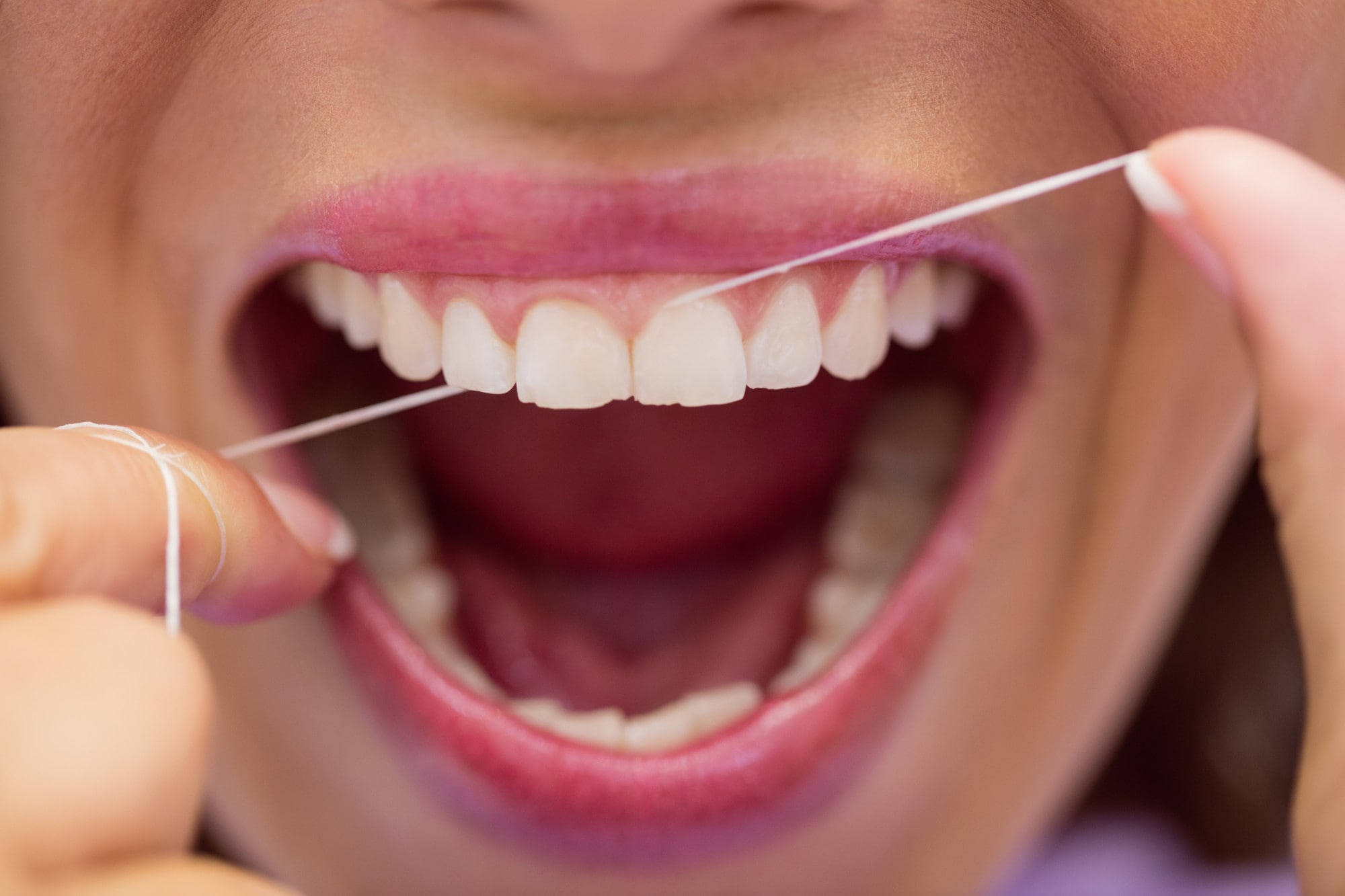
6. Should you rinse your mouth with water after every meal or not?
Rinsing your mouth with plain water after meals can help wash away loose food particles, dilute acids and clear some sugars and food debris. It is a useful habit, particularly after consuming acidic foods or drinks. However, rinsing is not a substitute for brushing twice daily or cleaning between your teeth. After consuming acidic foods or drinks, rinse with water and wait 30–60 minutes before brushing. This allows saliva to help neutralise acids and the enamel surface to recover. After brushing with fluoride toothpaste, spit out the excess rather than immediately rinsing, to retain more fluoride on your teeth.
7. Is a water flosser as good as normal floss?
Water flossers use a directed stream of water to clean between teeth and along the gumline, while traditional floss physically removes plaque and debris from tight spaces between teeth. Both can support oral hygiene, but their effectiveness depends on individual needs and proper technique. Water flossers may be particularly helpful for people with braces, dental bridges, implants or limited hand dexterity. Traditional floss remains an effective, affordable option for many people. A water flosser may help reduce gum inflammation, but it should not automatically be considered a complete replacement for string floss in every situation. Ask your dentist which method best suits your teeth, gums and dental work.
8. How often should people really change their toothbrushes?
As a general rule, replace your toothbrush or electric toothbrush head every three to four months, or sooner if the bristles become frayed or worn. Worn bristles are less effective at cleaning teeth properly. You may need to replace your brush earlier if it becomes damaged or difficult to clean. After brushing, rinse it thoroughly with tap water, store it upright and allow it to air-dry. Avoid routinely storing a wet toothbrush in a closed container, as this can encourage microbial growth. Sharing toothbrushes should also be avoided because it can transfer saliva and microorganisms. Regular replacement, combined with correct brushing technique, helps maintain effective daily oral hygiene. Also read | Using the same toothbrush? Dentist reveals how often you need to change it to avoid diabetes or heart disease risks
9. Do whitening toothpastes actually work?
Yes, whitening toothpastes can help make teeth look brighter, but their results depend on the type of stain and the product's ingredients. Most contain mild abrasives that remove surface stains caused by tea, coffee and certain foods. Some also contain low concentrations of peroxide, which can help lighten tooth colour. However, many whitening toothpastes cannot significantly change deeper stains or the natural shade of teeth. Excessive brushing pressure or inappropriate products may contribute to enamel wear or sensitivity. Choose a reputable fluoride toothpaste formulated for daily use, follow its instructions and consult your dentist if discolouration persists or you experience sensitivity.
10. Is it normal for gums to bleed when you brush?
Bleeding gums are common, but they should not be considered normal or ignored. A frequent cause is gingivitis, an early stage of gum disease that develops when plaque accumulates along the gumline, causing inflammation. Brushing too aggressively or using floss incorrectly can also cause bleeding. Use a soft-bristled toothbrush, brush gently twice daily with fluoride toothpaste and clean between your teeth every day. Do not stop cleaning the affected area simply because it bleeds. If bleeding persists, occurs frequently or is accompanied by swollen gums, bad breath or gum recession, consult a dentist. Early treatment can help prevent gum disease from progressing to a more serious problem.
Note to readers: This article is for informational purposes only and not a substitute for professional medical advice. Always seek the advice of your doctor with any questions about a medical condition.


Catch your daily dose of Fashion, Taylor Swift, Health, Festivals, Travel, Relationship, Recipe and all the other Latest Lifestyle News on Hindustan Times Website and APPs.


