
 E-Paper



Why Australian fitness coach says ‘eating more, not less’ is key to sustainable weight loss; shares her transformation

 Prefer HTon Google


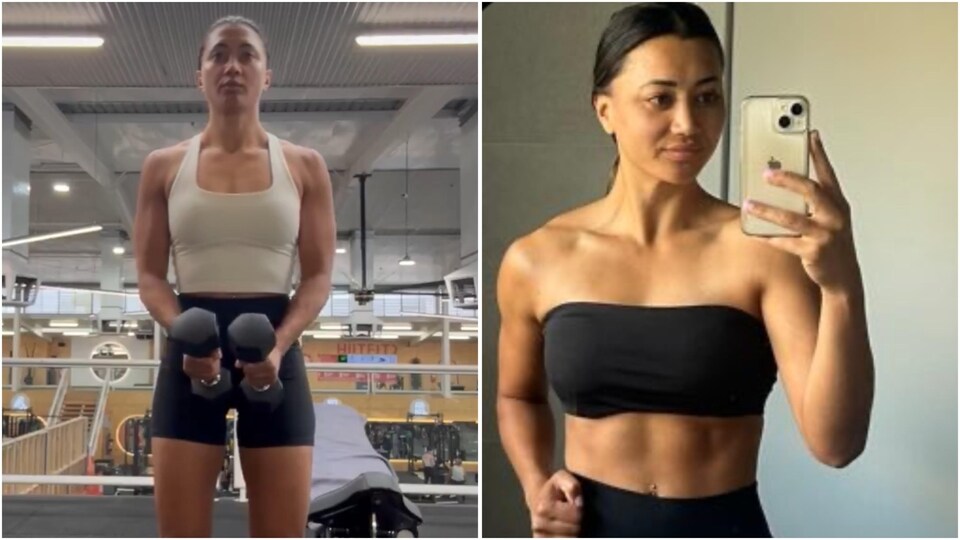
Australian fitness coach Hannah Button says eating more, not less, helped her lose fat sustainably, boost energy and fix issues caused by extreme dieting.
Weight loss is often linked to eating less and cutting calories, but the process is far more complex than simply reducing food intake. Factors like metabolism, hormones, muscle mass, and how the body responds to restriction can all influence fat loss. In many cases, extreme dieting may actually slow progress and make sustainable weight loss harder in the long run. (Also read: From 226 kg to 91 kg: How 68-year-old American achieved remarkable 135 kg weight loss, thanks to one exercise machine )
Fitness coach reveals key to sustainable weight loss
Fitness coach Hannah Button from Australia recently opened up about her own transformation journey, revealing that she achieved better results by eating more, not less. In a post shared on X, Hannah explained why severe calorie restriction can do more harm than good and shared the habits that helped her lose fat sustainably while improving her overall health.
Reflecting on her past experience as a professional athlete, Hannah wrote, “For years, I was told the answer was restriction. Eat less. Cut carbs. Count every calorie.” However, instead of feeling healthier, she said the approach caused her to lose muscle, affected her hormones, drained her energy levels, and ultimately left her looking and feeling worse. “The advice wasn’t just wrong. It was damaging,” she added.
What really happens when you eat only 1,200 calories
According to Hannah, severely restricting calories can push the body into survival mode. “Your metabolism downshifts to conserve energy. Fat gets preserved, muscle gets burned, you’re exhausted, and the scale refuses to move,” she explained. She added that this often leads people to blame themselves when the real issue is the unsustainable method itself.
Hannah stressed the importance of increasing protein intake during weight loss. She recommends consuming around 0.7–1 gram of protein per pound of body weight daily. Protein not only helps preserve lean muscle mass while losing fat, but the body also burns more calories digesting it compared to other nutrients. “Most people eat half of what they actually need,” she noted.
The coach explained that aggressive calorie cuts send starvation signals to the body, increasing cortisol levels and encouraging fat storage. Instead of drastic dieting, she recommends maintaining a moderate calorie deficit of around 300–400 calories for more sustainable results. According to Hannah, balanced nutrition works far better than harsh restriction.
Role of muscle in fat loss
Hannah also highlighted the role of strength training and muscle building in improving metabolism. “The more muscle you gain, the higher your resting metabolism gets,” she said, explaining that muscle helps the body burn more calories even while at rest. On the other hand, chronic undereating can break down muscle tissue, slow metabolism, and make fat loss even more difficult.
She noted that undereating for long periods can disrupt hormones, especially after the age of 40. Elevated cortisol levels may increase fat storage, while low-calorie intake can suppress leptin, the hormone responsible for signalling fullness, often leading to constant hunger and binge eating episodes.
Instead of focusing on restriction, Hannah encourages building meals around nutrient-dense foods. Her recommendations include lean proteins such as chicken, fish, eggs, and Greek yoghurt, along with plenty of vegetables for volume and fibre. She also suggests adding complex carbohydrates around workouts and consuming healthy fats in moderation.
“I eat more now and feel better than ever”
Hannah shared that once she stopped obsessing over restriction and focused on optimising her nutrition, her results completely changed. She said her stubborn body fat finally reduced, her strength improved, and her energy and performance returned. Surprisingly, she now eats more than she did at her leanest phase and still feels healthier and stronger.
Concluding her post, Hannah argued that the outdated “1,200-calorie model” is not designed for active, high-performing individuals. Instead, she believes people need a realistic nutrition framework focused on performance, nourishment, and sustainability rather than punishment.
Note to readers: This article is for informational purposes only and not a substitute for professional medical advice. Always seek the advice of your doctor with any questions about a medical condition.
This report is based on user-generated content from social media. HT.com has not independently verified the claims and does not endorse them.


Catch your daily dose of Fashion, Taylor Swift, Health, Festivals, Travel, Relationship, Recipe and all the other Latest Lifestyle News on Hindustan Times Website and APPs.


