
 E-Paper



Heartburn or gallbladder attack? Gastroenterologist reveals how to tell the difference and when it's an emergency

 Prefer HTon Google


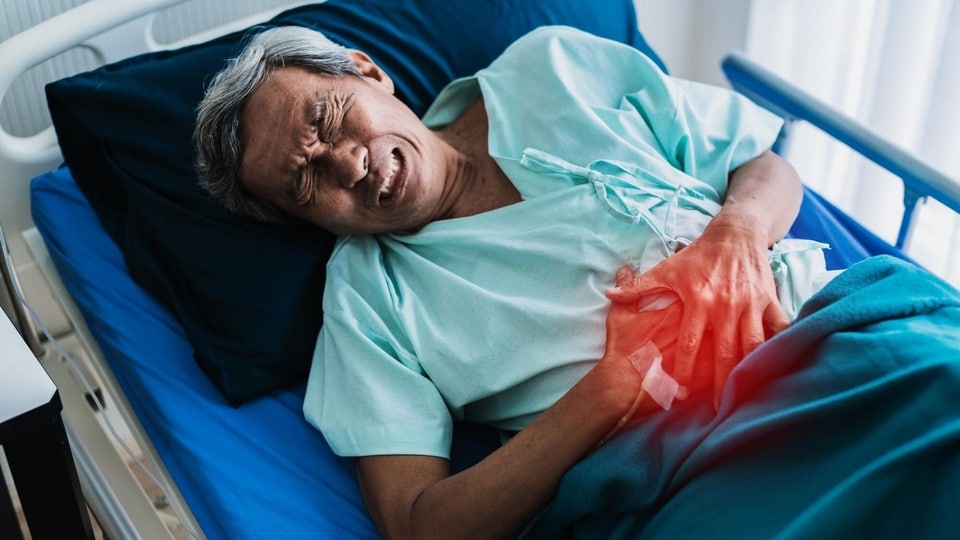
HT Health Talk: Have gallstones? Dr Anupama N K of Aster CMI Hospital, Bengaluru, says surgery isn't always needed and explains what really dissolves them.
Is it just heartburn, or is your gallbladder secretly staging a coup? In this week's HT Health Talk — the reader-centric initiative by Hindustan Times — we tapped Dr Anupama N K, senior consultant, medical gastroenterology, Aster CMI Hospital, Bengaluru, to clear up the confusion around gallstones, digestion, and life post-surgery. Also read | What happens when the gallbladder is removed? Physician Dr Kunal Sood explains
While acid reflux brings that familiar chest burn, a true gallbladder attack hits with severe, persistent pain in the upper right abdomen— often radiating straight to your right shoulder after a heavy meal.
The good news? Having gallstones doesn't mean an emergency surgery is in your future; asymptomatic stones are frequently monitored. However, if standard ultrasounds miss the culprit, advanced imaging such as MRCP or endoscopic ultrasound can identify hidden sludge.
From busting mythic 'gallbladder cleanses' (spoiler: they don't work) to navigating post-op digestion and keto diet red flags, Dr Anupama breaks down the vital signs your gut wants you to know:
1. What is the difference between normal acid reflux and a gallbladder attack?
Acid reflux usually happens when stomach acid flows back into the food pipe, causing a burning sensation behind the breastbone, sour taste, burping or discomfort that may worsen after meals or when lying down. A gallbladder attack, usually caused by a gallstone blocking the bile duct, typically causes sudden or steady pain in the upper right or upper middle abdomen. The pain may occur after a heavy or fatty meal and can last for several hours. It may also spread to the back or right shoulder. Unlike reflux, gallbladder pain is often severe and persistent and may be accompanied by nausea or vomiting. Fever, jaundice or worsening pain can indicate complications and require prompt medical evaluation.
2. What specific tests are needed to confirm gallstones if an ultrasound comes back clear?
Ultrasound is generally the first and most useful test for detecting gallstones, but a normal scan does not always rule out gallbladder disease. If symptoms strongly suggest gallstones, a doctor may recommend additional testing based on the suspected problem. Magnetic resonance cholangiopancreatography, or MRCP, can provide detailed images of the bile ducts and identify stones that may not be visible on routine ultrasound. Endoscopic ultrasound can detect very small stones or sludge with greater sensitivity. Blood tests, including liver function tests and pancreatic enzymes, can help identify bile duct obstruction or pancreatitis, although they cannot confirm gallstones on their own. In selected patients, a HIDA scan may be used to assess gallbladder function and detect problems such as poor emptying.
3. Can gallbladder issues cause pain that radiates to the back or shoulder?
Yes. Gallbladder problems can cause pain that is felt beyond the abdomen. A typical gallbladder attack causes pain in the upper right or upper middle abdomen, and this discomfort can sometimes radiate to the back, particularly between the shoulder blades, or to the right shoulder. This happens because the gallbladder and nearby areas share nerve pathways, causing the brain to perceive pain elsewhere. The pain may be steady rather than cramping and can last from several minutes to a few hours. It may occur after eating, particularly after a heavy or fatty meal. However, back or shoulder pain has many possible causes, so persistent or severe pain should not automatically be attributed to gallstones. Also read | Gastroenterologist shares 5 habits that increase your risk of gallbladder stones and can even force you to get surgery
4. Do all gallstones require surgery, or can small/asymptomatic ones be safely monitored?
No, not every gallstone requires surgery. Gallstones discovered incidentally and without symptoms can often be safely monitored without treatment. Surgery, usually laparoscopic gallbladder removal, is generally recommended when stones cause repeated painful attacks or complications such as acute cholecystitis, pancreatitis or bile duct obstruction. The size of a stone alone does not necessarily determine whether surgery is needed; symptoms, location, complications and the person's overall health are more important factors. Small stones can still cause significant problems if they move into the bile ducts. People with asymptomatic stones should remain aware of new symptoms and seek medical advice if they develop persistent abdominal pain, fever, vomiting or jaundice. Management should therefore be individualised rather than based solely on stone size.
5. Are there non-surgical ways or medications to dissolve gallstones?
In selected cases, certain medications, such as ursodeoxycholic acid (ursodiol), can gradually dissolve cholesterol-based gallstones. However, this treatment is not suitable for everyone and works best for carefully selected patients with specific types of stones and a functioning gallbladder. Treatment can take months or even years, and gallstones may return after the medication is stopped. It is generally less effective than surgery for people who have recurrent, symptomatic gallstones. Procedures such as shock-wave lithotripsy may also be considered in highly selected situations, but they are not routine treatments. There are also no reliable home remedies, special drinks or ‘gallbladder cleanses’ proven to dissolve gallstones. Anyone considering non-surgical treatment should discuss the risks, benefits and likelihood of recurrence with a specialist.
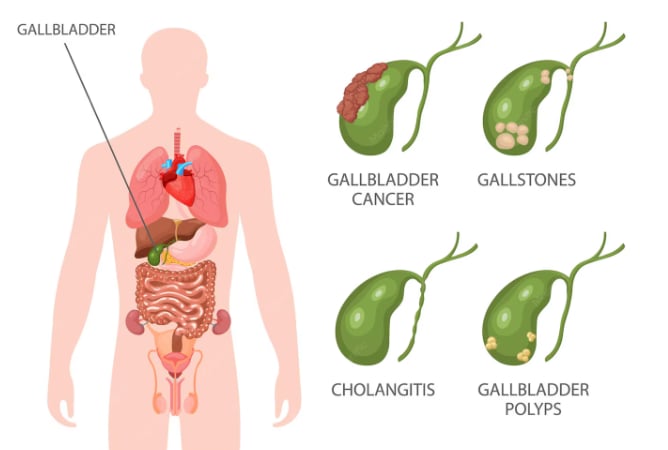
6. How urgent is surgery once gallstones are detected?
Finding gallstones does not automatically mean surgery is needed immediately. If the stones are asymptomatic and there are no complications, doctors may recommend observation rather than an operation. However, recurrent painful attacks or complications can change the situation. Acute cholecystitis, where the gallbladder becomes inflamed, may require hospital treatment and early surgery. A stone blocking the common bile duct or causing pancreatitis also requires prompt medical attention and, in some cases, an endoscopic procedure before or around the time of gallbladder surgery. Severe or persistent abdominal pain, fever, repeated vomiting, yellowing of the eyes or skin, dark urine or pale stools should be treated as warning signs. The timing of surgery therefore depends on symptoms, complications and the patient's overall clinical condition.
7. What long-term digestive changes are normal after having your gallbladder removed?
Most people can digest food normally after gallbladder removal, because the liver continues to produce bile. The main difference is that bile is no longer stored and concentrated in the gallbladder; instead, it flows more continuously into the intestine. Some people notice temporary changes such as looser stools, increased bowel movements, gas or bloating, particularly during the first few weeks after surgery. For many patients, digestion gradually settles as the body adapts. There is usually no need for lifelong dietary restrictions, and most people eventually return to a normal, balanced diet. Eating smaller meals initially and limiting very fatty or greasy foods can make the adjustment easier. Persistent digestive symptoms, however, should be discussed with a doctor rather than assumed to be a normal consequence of surgery. Also read | ‘Diarrhoea after gallbladder removal is more common than people realise’: Gastroenterologist suggest what might help
8. Can people experience chronic diarrhoea or bloating post-surgery, and how is it treated?
Yes. A small proportion of people develop persistent diarrhoea, urgency, bloating or abdominal discomfort after gallbladder removal. One possible reason is bile acid diarrhoea, where the continuous flow of bile into the intestine irritates the colon and leads to frequent, watery stools. Treatment depends on the underlying cause. Doctors may initially recommend smaller meals, gradually increasing fibre and reducing very fatty foods. If bile acid diarrhoea is suspected, medicines known as bile acid sequestrants, such as cholestyramine, may be prescribed. Persistent bloating can have other causes, including food intolerance, irritable bowel syndrome or changes unrelated to surgery, so evaluation is important. Ongoing diarrhoea, weight loss, blood in stools, severe pain or other concerning symptoms require medical assessment.
9. What triggers a gallbladder flare-up, and what foods should be avoided?
Gallbladder attacks often occur when a gallstone temporarily blocks the flow of bile, and symptoms may become noticeable after eating a large or high-fat meal. Foods that commonly trigger symptoms include fried foods, fatty meats, processed foods, rich gravies, full-fat dairy products, pastries and other meals high in saturated or total fat. However, triggers vary between individuals, and food does not directly cause an existing gallstone to disappear or move safely. People with symptomatic gallstones may benefit from smaller, more frequent meals and a balanced diet containing vegetables, fruits, whole grains and lean protein. Crash diets and rapid weight loss should also be avoided because they can increase the risk of gallstone formation. Anyone experiencing repeated attacks should seek medical advice rather than relying only on dietary restriction.
10. Is it safe to follow high-fat or keto diets after gallbladder removal?
A high-fat or ketogenic diet may be difficult for some people after gallbladder removal, particularly during the early recovery period. Without a gallbladder, bile is released continuously rather than being stored and released in larger amounts when a fatty meal is eaten. Very large amounts of dietary fat may therefore cause diarrhoea, bloating, abdominal discomfort or urgency in some individuals. This does not mean that fat must be eliminated completely. Most people can gradually reintroduce healthy fats in moderate amounts as digestion adapts. A balanced diet with appropriate portions of protein, fibre-rich carbohydrates and unsaturated fats is generally easier to tolerate. Anyone considering a strict ketogenic or very high-fat diet after surgery should discuss it with their surgeon or dietitian, especially if digestive symptoms persist.
Dr Anupama N K is senior consultant, medical gastroenterology, Aster CMI Hospital, Bengaluru, with over 12 years of experience. Her expertise spans GI motility and neurogastroenterology, luminal endoscopy, functional bowel disorders, liver diseases, constipation and food allergy. She has publications in national and international journals and is a member of INASL, ISG, ESNM and ANMA.
Note to readers: This article is for informational purposes only and not a substitute for professional medical advice. Always seek the advice of your doctor with any questions about a medical condition.


Catch your daily dose of Fashion, Taylor Swift, Health, Festivals, Travel, Relationship, Recipe and all the other Latest Lifestyle News on Hindustan Times Website and APPs.


