
 E-Paper



Did you know stubborn belly fat can damage your liver? Doctor shares 5 daily habits that can take a toll on liver health

 Prefer HTon Google


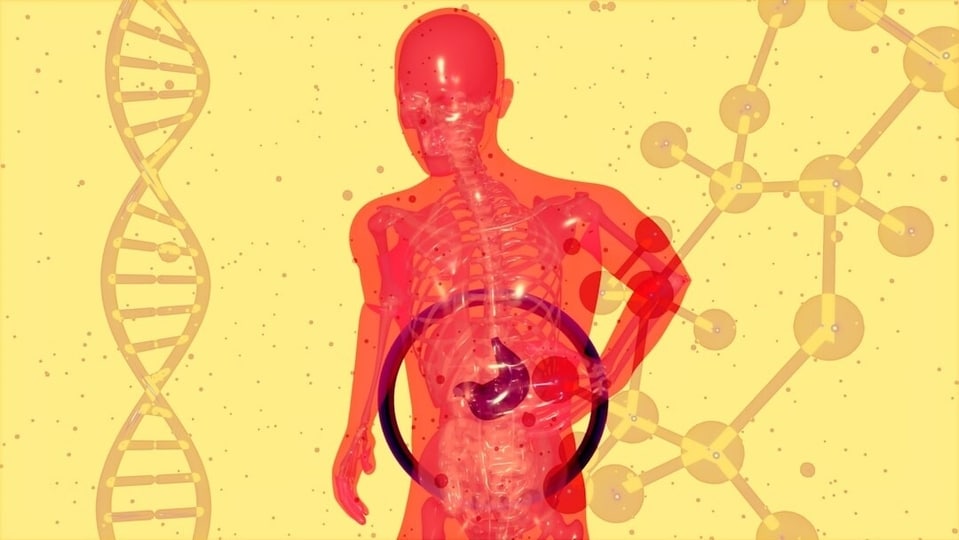
Visceral fat is not only dangerous for your metabolic health but can also damage the liver. Dr Sood shares 5 habits that add strain on the organ.
When it comes to liver health, not all fat is created equal. Unlike subcutaneous fat that sits just under the skin, visceral fat – often seen as stubborn belly fat – accumulates deep within the abdomen, wrapping around vital organs.
Also Read | Did you know repeated dieting makes fat loss harder? Doctor shares 5 facts about metabolism
This type of fat is metabolically active, releasing inflammatory chemicals and fatty acids directly into the bloodstream, which can silently strain the liver over time. Left unchecked, it can contribute to fat buildup in the liver and set the stage for long-term damage – often driven by everyday habits that may seem harmless at first glance.
Dr Kunal Sood, an anaesthesiologist and interventional pain medicine physician, is drawing attention to how everyday habits can quietly take a toll on liver health. In an Instagram video shared on April 26, he explains that liver damage doesn’t happen overnight – it builds gradually over time, often driven by routine lifestyle choices that many tend to overlook.
Weekend alcohol still adds up
Even if you don’t drink regularly, assuming that a few Friday night martinis won’t add up can be misleading. Dr Sood highlights that liver risk is driven by total alcohol exposure, not just daily consumption. Repeated binge-style or weekend drinking can still contribute to fat accumulation in liver cells over time.
He explains, “Liver risk depends on total exposure and pattern, not just daily use. Repeated binge-style or weekend drinking can promote fat accumulation in liver cells. Alcohol metabolism increases NADH levels, suppressing fat breakdown and favouring triglyceride storage. It also increases oxidative stress and inflammatory signaling.”
Sugary drinks drive liver fat
Foods high in fructose are primarily metabolised in the liver, which can place additional strain on the organ. According to the physician, this process can increase triglyceride production and promote fat accumulation – particularly when the fructose comes from liquid sources that lack fibre.
Dr Sood highlights, “Fructose is largely processed in the liver and bypasses key regulatory steps, promoting de novo lipogenesis. This leads to triglyceride production and fat buildup. Liquid sugars are especially impactful because they are consumed quickly and lack the fibre that slows absorption.”
Frequent paracetamol use stresses the liver
While standard doses are generally considered safe, frequent or high intake of paracetamol or acetaminophen – especially when combined with alcohol – can place added strain on the liver. During metabolism, the drug can produce toxic by-products, which in excess may damage liver cells.
Dr Sood notes, “At normal doses, acetaminophen is generally safe, but repeated high intake or use with alcohol increases risk. A portion is converted to NAPQI, a toxic metabolite normally neutralised by glutathione. When detox capacity is exceeded or depleted, it can cause liver cell injury.”
Ultra-processed foods promote inflammation
The physician highlights that a higher intake of ultra-processed foods is closely linked to fatty liver, increased insulin resistance, and metabolic syndrome. These foods tend to be calorie-dense yet nutritionally poor, can intensify cravings, and may promote inflammation over time.
He explains, “Higher intake is associated with fatty liver, insulin resistance, and metabolic syndrome. These foods often drive excess calorie intake, poor nutrient balance, and gut-liver axis inflammation, all of which contribute to fat deposition and chronic low-grade inflammation in the liver.”
Belly fat feeds liver disease
Stubborn belly fat – classified as visceral fat – can further harm the liver by driving fat accumulation, worsening insulin resistance, and triggering inflammatory signalling. It releases fatty acids directly into the portal circulation, increasing the load of fat delivered to the liver and compounding metabolic strain.
Dr Sood emphasises, “Visceral fat releases free fatty acids directly into the portal circulation, increasing fat delivery to the liver. It also drives insulin resistance and inflammatory signaling, creating a cycle that promotes steatosis and progression to more severe liver disease.”
Note to readers: This article is for informational purposes only and not a substitute for professional medical advice. It is based on user-generated content from social media. HT.com has not independently verified the claims and does not endorse them.


Catch your daily dose of Fashion, Taylor Swift, Health, Festivals, Travel, Relationship, Recipe and all the other Latest Lifestyle News on Hindustan Times Website and APPs.


